
Navigating the Complex World of Student Loans
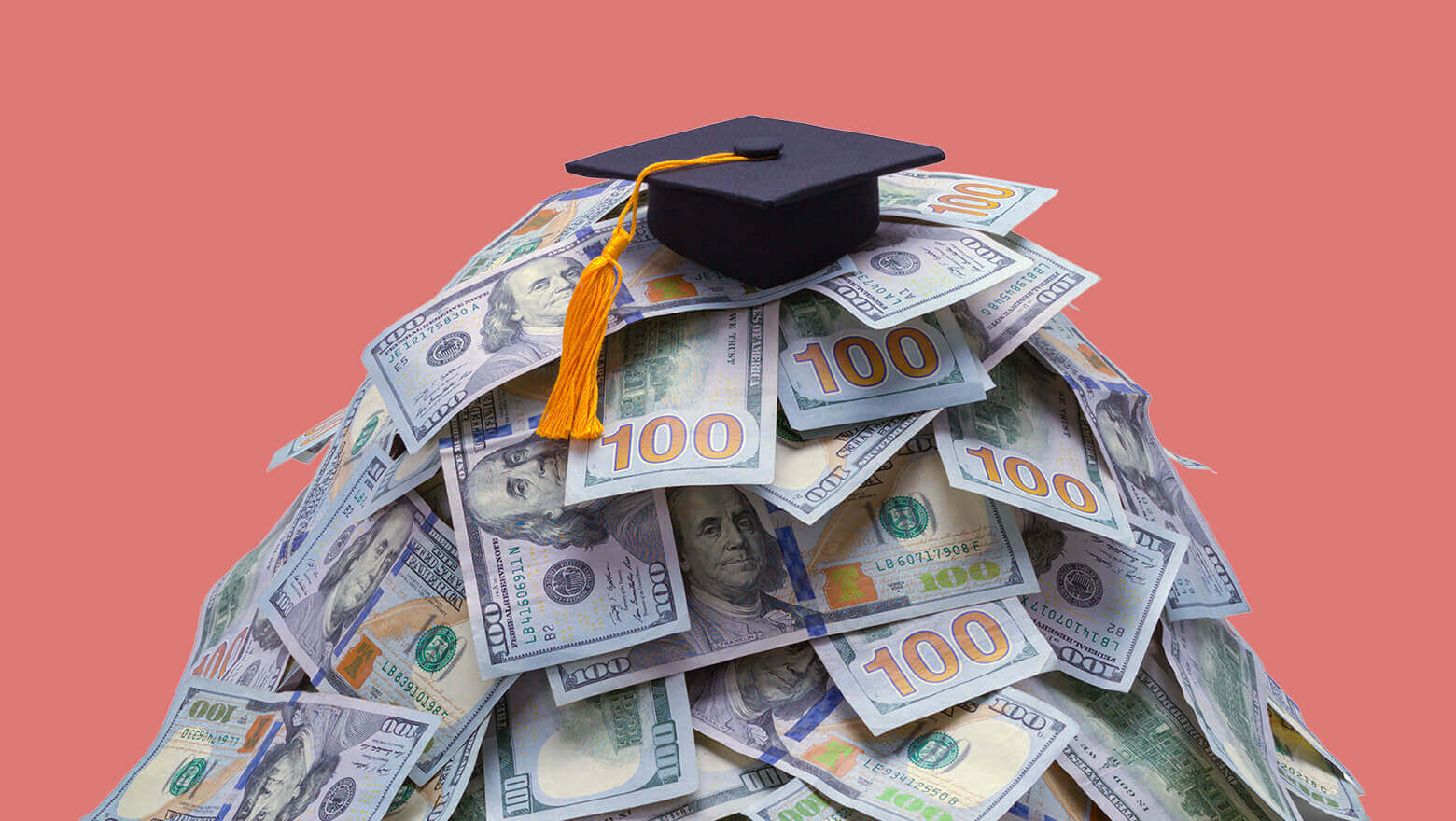
The Weight of Student Loan Debt
Student loans have become an inescapable aspect of pursuing higher education for many individuals worldwide. As the cost of education continues to surge, these financial instruments serve as both a lifeline and a burden for millions of students. In this article, we'll delve into the multifaceted realm of student loans, exploring their impact, types, repayment options, and the broader implications they have on individuals and society.
The Landscape of Student Loans
Rising Costs of Education
The exponential increase in tuition fees over the years has resulted in a staggering burden on students. The cost of obtaining a college degree has far outpaced inflation, leaving many grappling with substantial debts even before entering the workforce.
Types of Student Loans
Federal Loans:
- Subsidized Loans: Offered based on financial need, with the government covering interest while the student is in school.
- Unsubsidized Loans: Available to all students regardless of financial need, but interest accrues from the time of disbursement.
Private Loans:
- Procured through private financial institutions, these loans often have varying interest rates and terms, depending on the lender.
PLUS Loans:
- Aimed at parents and graduate students, these loans typically have higher interest rates and allow borrowing up to the full cost of attendance.
The Impact of Student Loans
Financial Strain on Graduates
The burden of student loan debt significantly impacts graduates' financial stability. High monthly payments can hinder their ability to save, invest, or make significant life decisions such as buying a home or starting a family.
Mental Health and Stress
The psychological toll of debt can't be overlooked. Studies show a correlation between student loan debt and increased stress levels, anxiety, and even depression among borrowers.
Career Choices and Opportunities
The weight of debt often influences career choices. Graduates may opt for higher-paying jobs over passion or purpose-driven careers to manage their loan obligations.
Navigating Repayment Options
Income-Driven Repayment Plans
Federal loans offer various income-driven repayment plans, tying monthly payments to the borrower's income. These plans can ease the burden for those with lower salaries.
Loan Forgiveness and Discharge Programs
Some professions, such as teaching or public service, offer loan forgiveness programs after a certain period of service. Additionally, total loan discharge might be possible in cases of disability or school closure.
Refinancing and Consolidation
Private loans can be refinanced or consolidated to secure better interest rates or manage payments more effectively, but this often involves trading federal benefits for private terms.
Addressing the Student Loan Crisis
Policy Interventions
Calls for policy reform to tackle the student loan crisis are growing louder. Proposals for free tuition, debt cancellation, or refinancing options aim to alleviate the burden on borrowers.
Financial Literacy and Education
Empowering students with financial literacy education can equip them to make informed decisions about borrowing, repayment strategies, and overall financial wellness.
Alternative Paths to Education
Exploring alternative paths, such as vocational training or online courses, can provide viable options that are more affordable than traditional four-year degrees.
Towards a Balanced Future
Student loans have become an integral part of accessing higher education, but their impact extends far beyond the classroom. As society grapples with the weight of student debt, it's imperative to explore multifaceted solutions. From policy changes to individual financial literacy, addressing the student loan crisis requires a collaborative effort. By fostering accessible education and implementing supportive measures, we can strive towards a future where education is enriching, not financially crippling, for all aspiring learners.





0 Comments